Watching Australian wildlife without harming it
The country is full of animals that photograph well and die badly when people want a closer shot. Distance is the skill.
Published · Updated
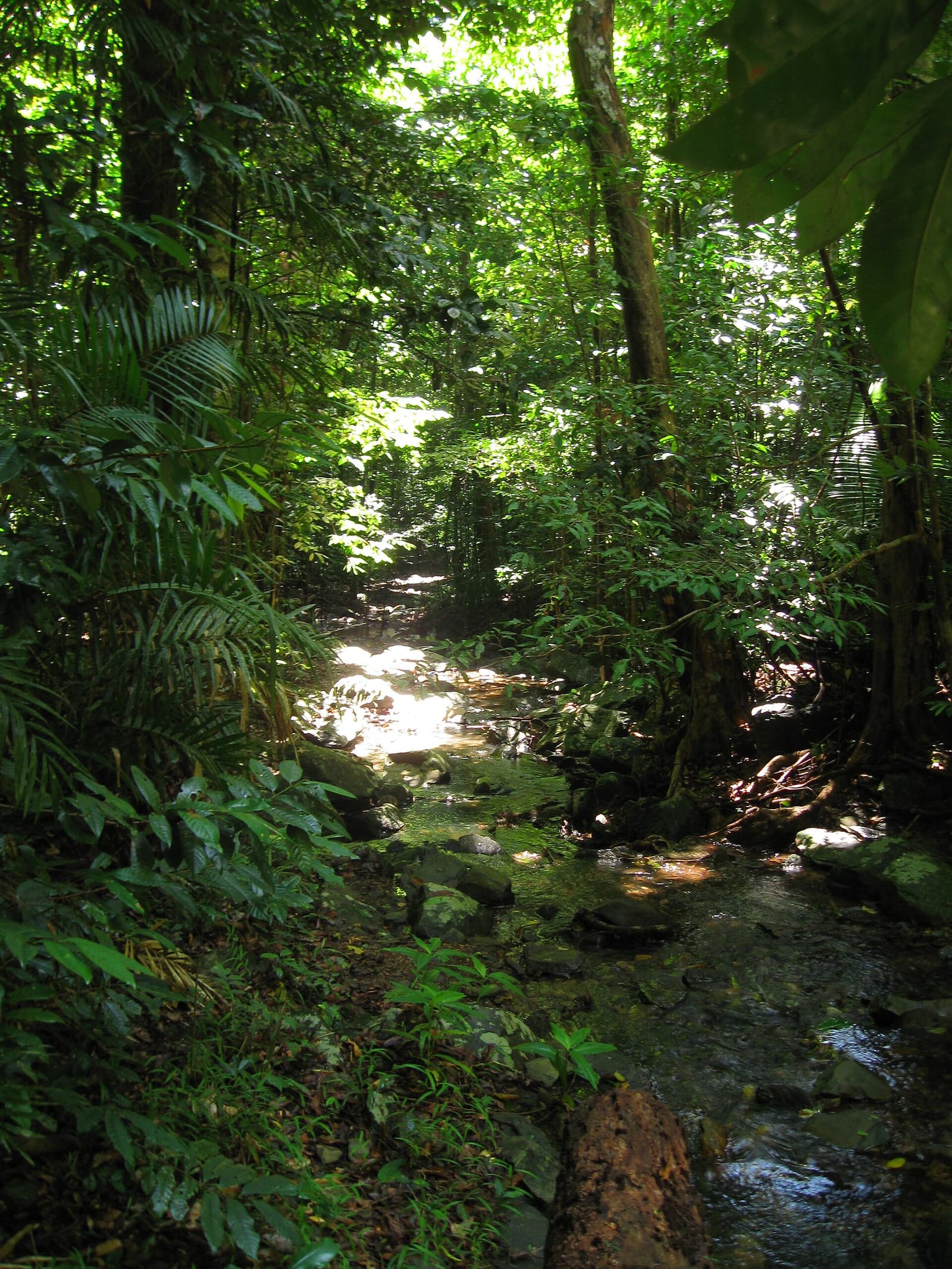

A cassowary on a Cape Tribulation road is not a meet-and-greet. A dingo on K'gari is not a dog. A kangaroo at dusk on a fairway is not a pose. Australian wildlife tourism goes wrong when people close the last five metres.
Stay in the car if the animal is on the road. Keep food sealed. Read the park sign as if it were a law, because sometimes it is. The Daintree guide, K'gari and Kangaroo Island all repeat this because visitors keep failing the same test.
Water and air
Do not stand on coral. Do not chase turtles. Do not touch a wild dolphin because a boatman winked. The reef day is explicit. Birds that nest on beaches need you to walk below the high-tide line and keep dogs leashed or absent.
Zoos and well-run sanctuaries are not a moral failure. They are sometimes the only way to see a nocturnal animal without spotlighting it in a reserve.
Night driving
The kindest wildlife habit on a road trip is to stop driving before dusk. The packing and driving guide says it for your radiator. This one says it for the animal.
Take the photograph you can take from where you are. If you cannot, you did not deserve it.
Questions from the desk
- Is feeding kangaroos kind?
- No. It changes behaviour and can get animals destroyed.
- What about swimming with whales?
- Only with licensed operators in places it is allowed. Do not freelance.
Keep travelling this theme
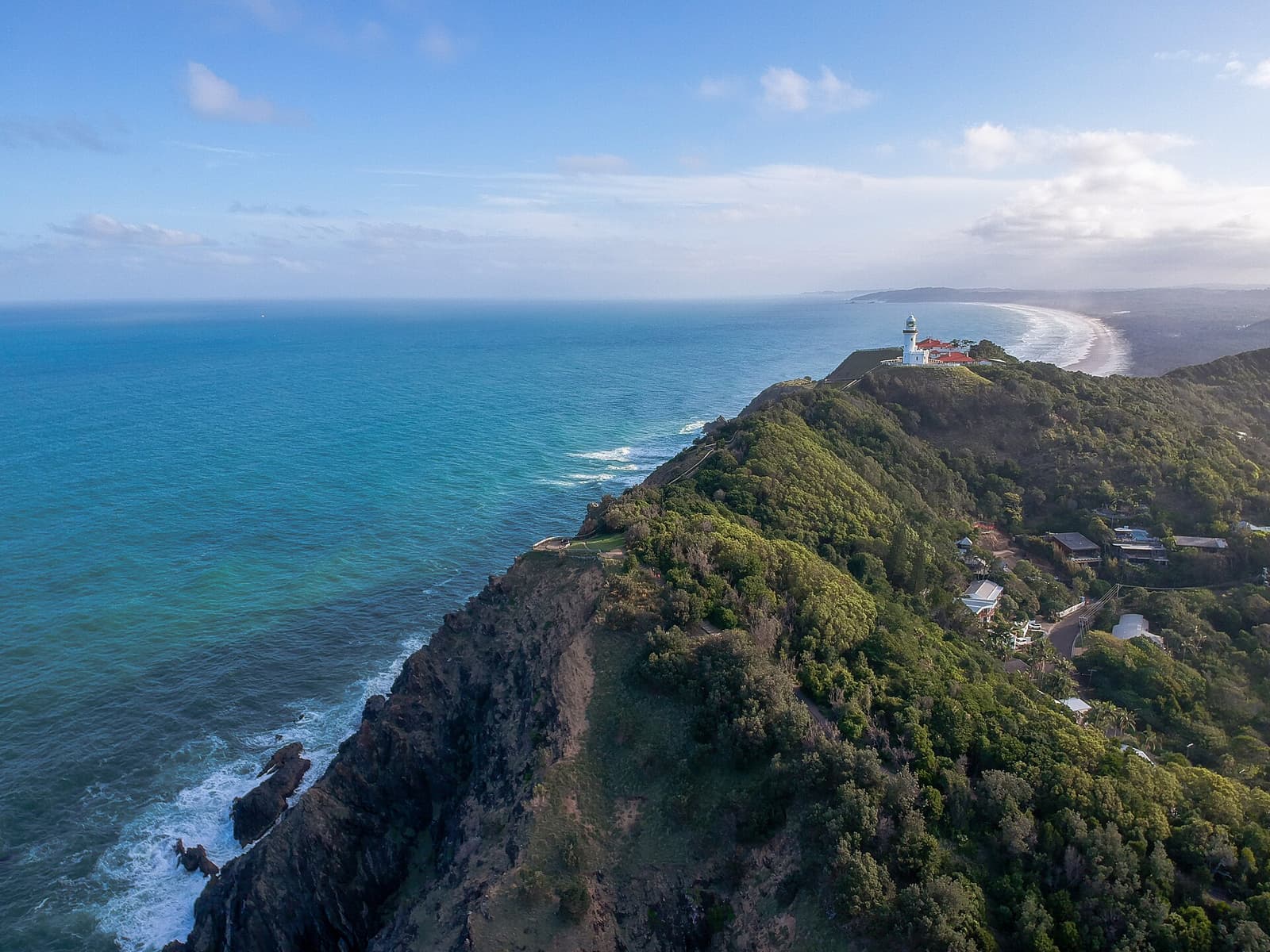
Byron Bay and the Northern Rivers
Cape Byron Light is still the most easterly useful walk in the country. The town underneath it is easier if you come for the hinterland as well as the brand.
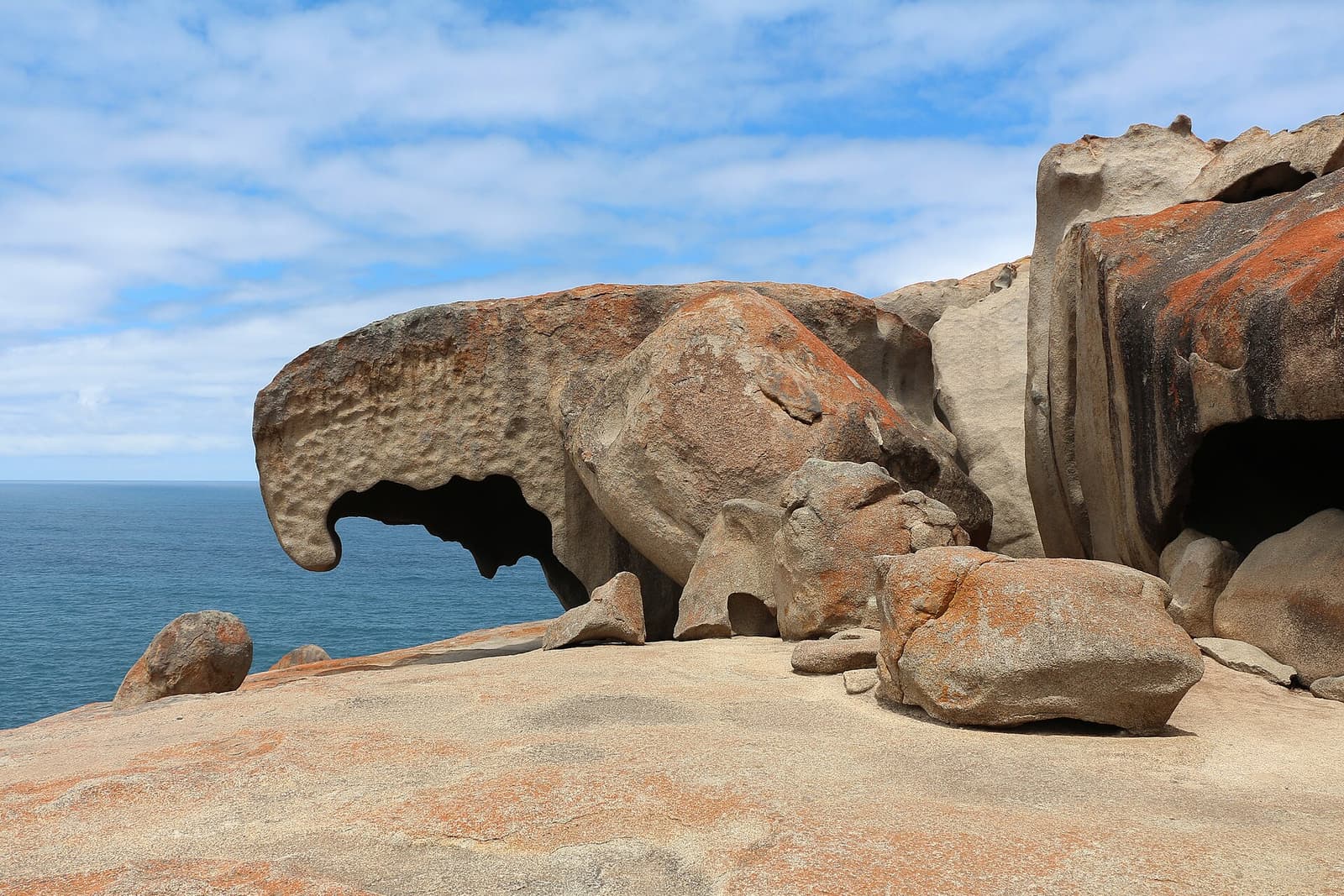
Kangaroo Island after the fires
The 2020 fires changed the island. The Remarkable Rocks did not leave. A visit now is about recovery, wildlife, and not pretending nothing happened.
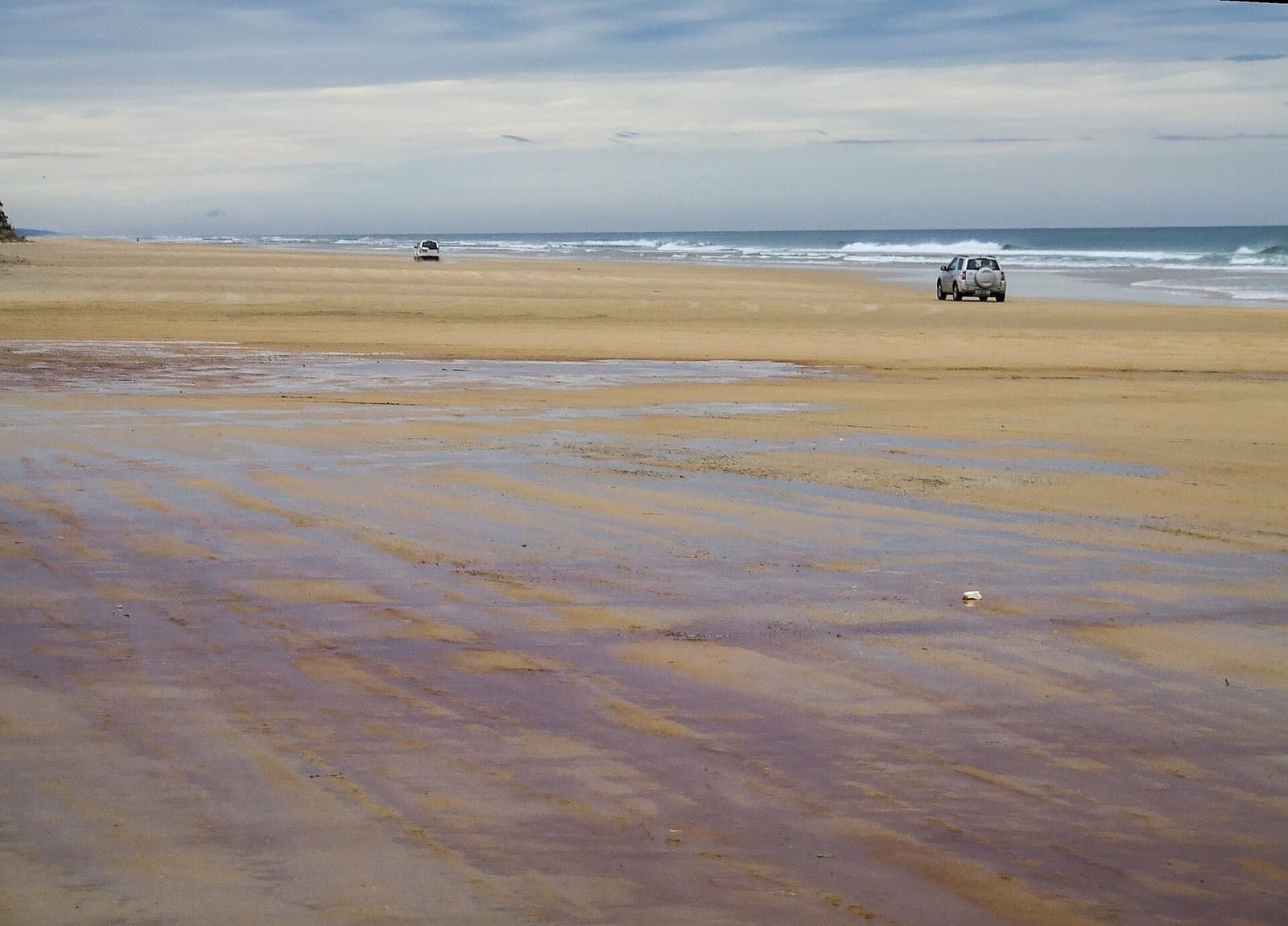
K'gari by 4WD, without pretending it is easy
Seventy-five Mile Beach is a highway made of sand. That sentence should make you slower, not braver.